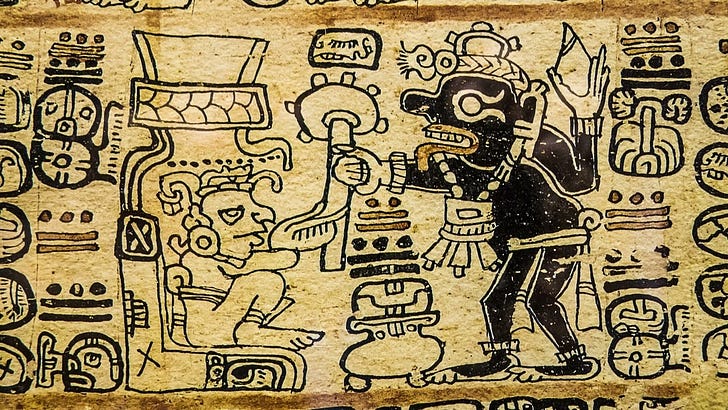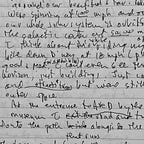

The act of writing is good for you. I love writing. I’m not happy unless I’m writing something. Not for long anyways.
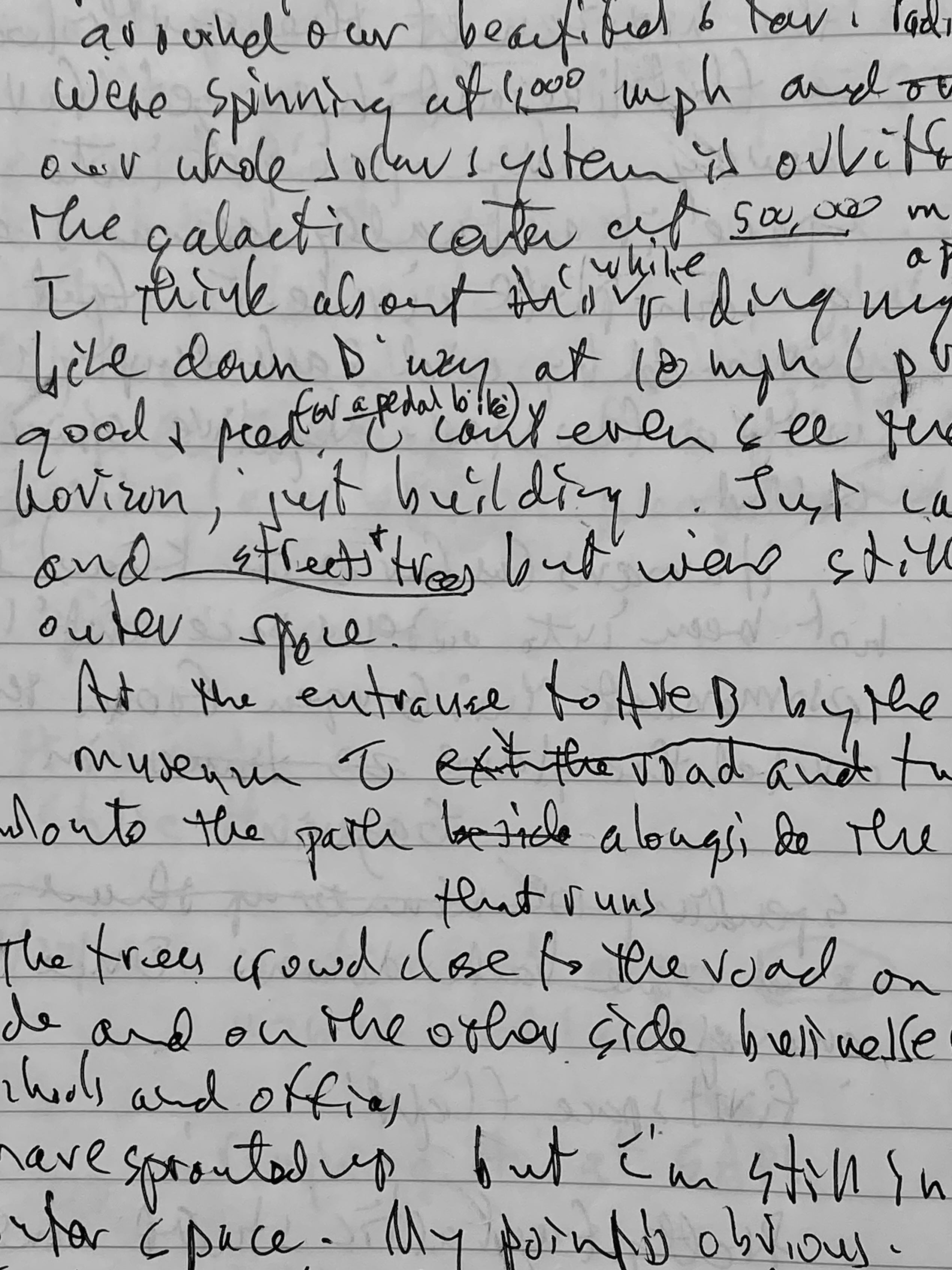
I write on a keyboard, I write on voice recorder on my phone (dictation), I tap out messages on the tiny touch screen, I write on grocery store receipts, I write on napkins occasionally but my favorite writing is by hand with my Pilot G-2 #10 ink pen on paper in my notebook. It’s like calligraphy and later I can figure out what the scribbles mean. My penmanship has gotten wilder with age but that doesn’t matter - it’s the physical act of writing that brings me pleasure. It connects to my brain in a very special place.
According to my Google search, writing by hand offers “significant cognitive and emotional health benefits that typing cannot replicate. The physical, slow act of writing by hand helps process emotions, reduce stress, improve memory, and increase mindfulness by activating broader, deeper areas of the brain”. Thank you AI.
The experts have lots to say about handwriting too: that the slow kinetic rhythm of pen on paper quiets the internal dialogue and grounds a person in the moment in a kind of meditative state. That it improves memory (you have to find those words somewhere) and helps fight cognitive decline. My decline has been gradual and grounded, I can tell you that. It helps to process stressful or traumatic experiences by lending structure to chaotic thoughts, thereby reducing the emotional burden and boosting the immune system. It facilitates reflective thinking so you can think about things reflectively instead of impulsively. Humanity could sure use more of that. Writing down your goals or making a list of what you’re grateful for releases the feel-good neurotransmitters like dopamine and serotonin. That’s what the experts say anyways.
I love making to do lists on small strips of paper and knocking them off one by one. Gives me a sense of control and accomplishment. I have my own symbology, my own ritual.
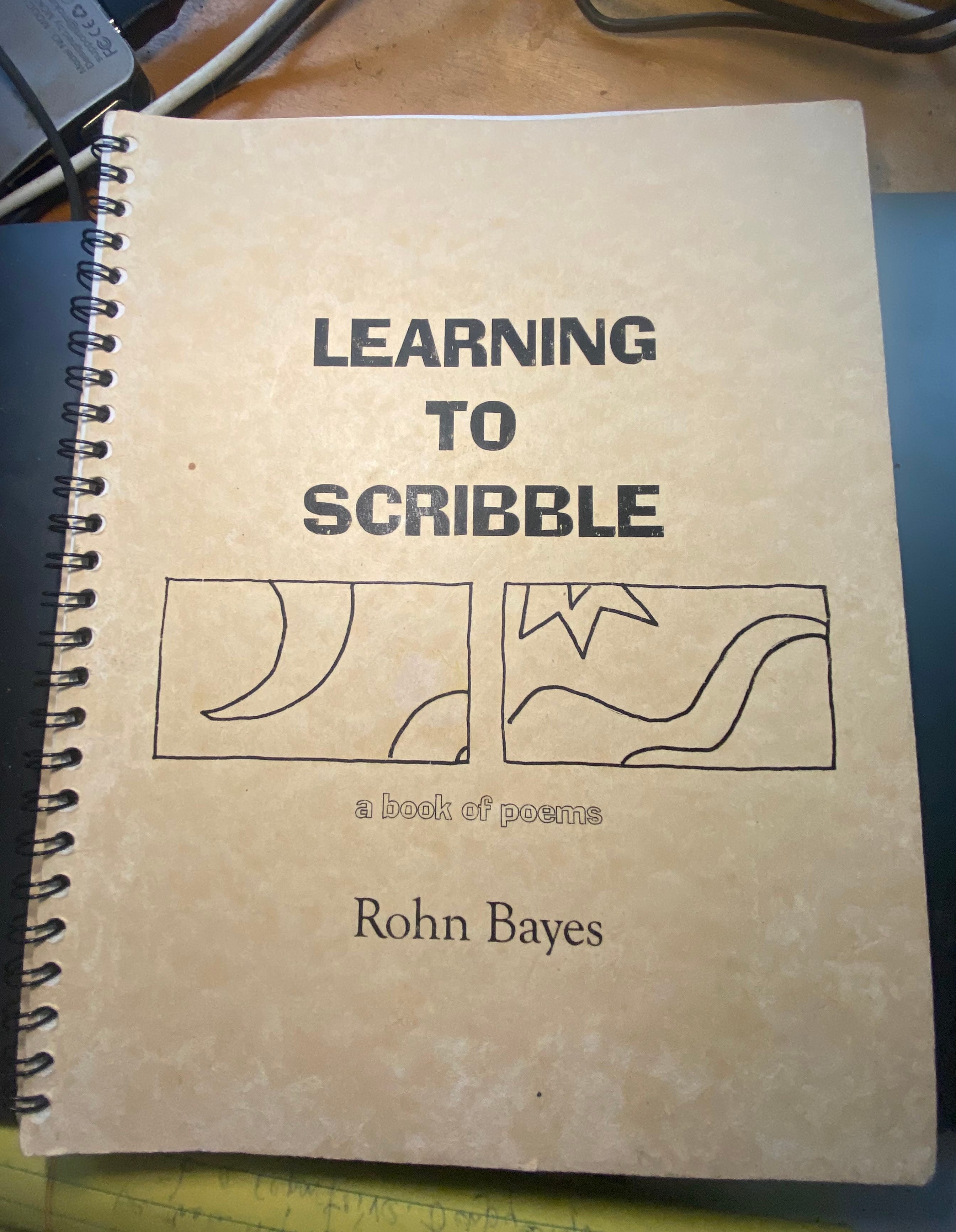
My first book of poetry was called ‘Learning to Scribble’ and featured poems and stories written by hand in various unknown and non-existent languages just for the joy of making squiggly lines and shapes and imagining that they stood for something.
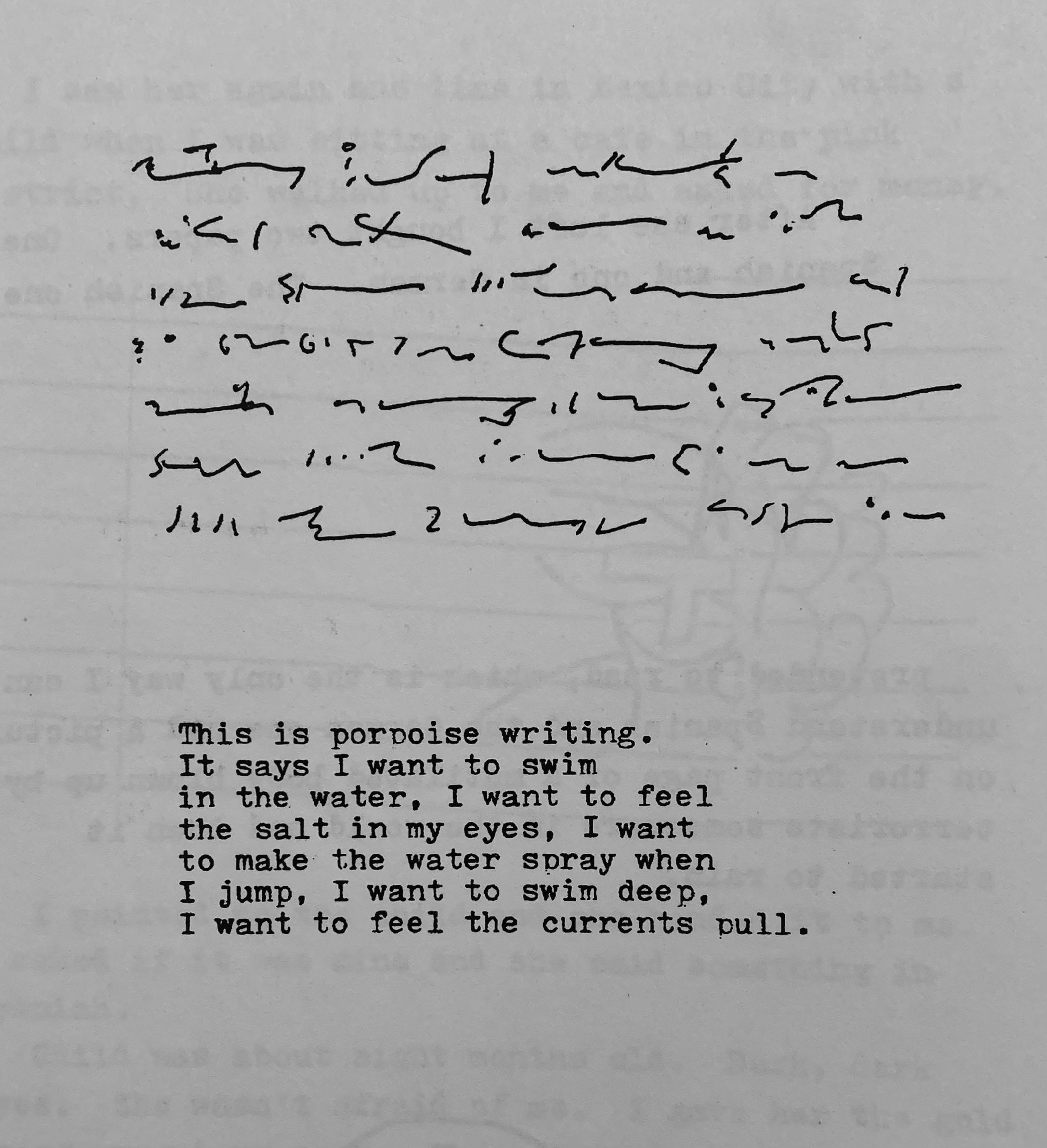
Right now I’m writing this on my computer keyboard, pounding out the letters and correcting the typos, but earlier when I started this post I was outside at the Mila cafe and writing by hand in my venerable lined notebook - as free as the sky and happy to be making marks. Humans have been making marks with meaning for a very long time, maybe that’s why I like it. There’s something primordial and transformative about it. It truly is a ritual and an expression of being human.
My mother used to enjoy employing her cursive writing skills to compose a letter and send it through the mail in an envelope with a stamp on it. Addressing the envelope was also part of the exercise and reminded her of where they were - the recipient, and where she was too, I suppose. Writing in a careful hand so the postman would be sure to deliver it to the correct destination.
Scribbling is also therapeutic I have found. It sometimes calls up the muse, awakens her from her slumber and calls forth her magic. Kinda like a genie in a bottle. That’s an old story and one that has been told and retold many times. It has even made the Disney anthology. Something about that cursive writing - or in my case cursive scribbling. My handwriting is actually printed letters rushed together into a unique cursive style and seasoned with a little neuropathy. Fun for me. And a true puzzle to figure out later sometimes.
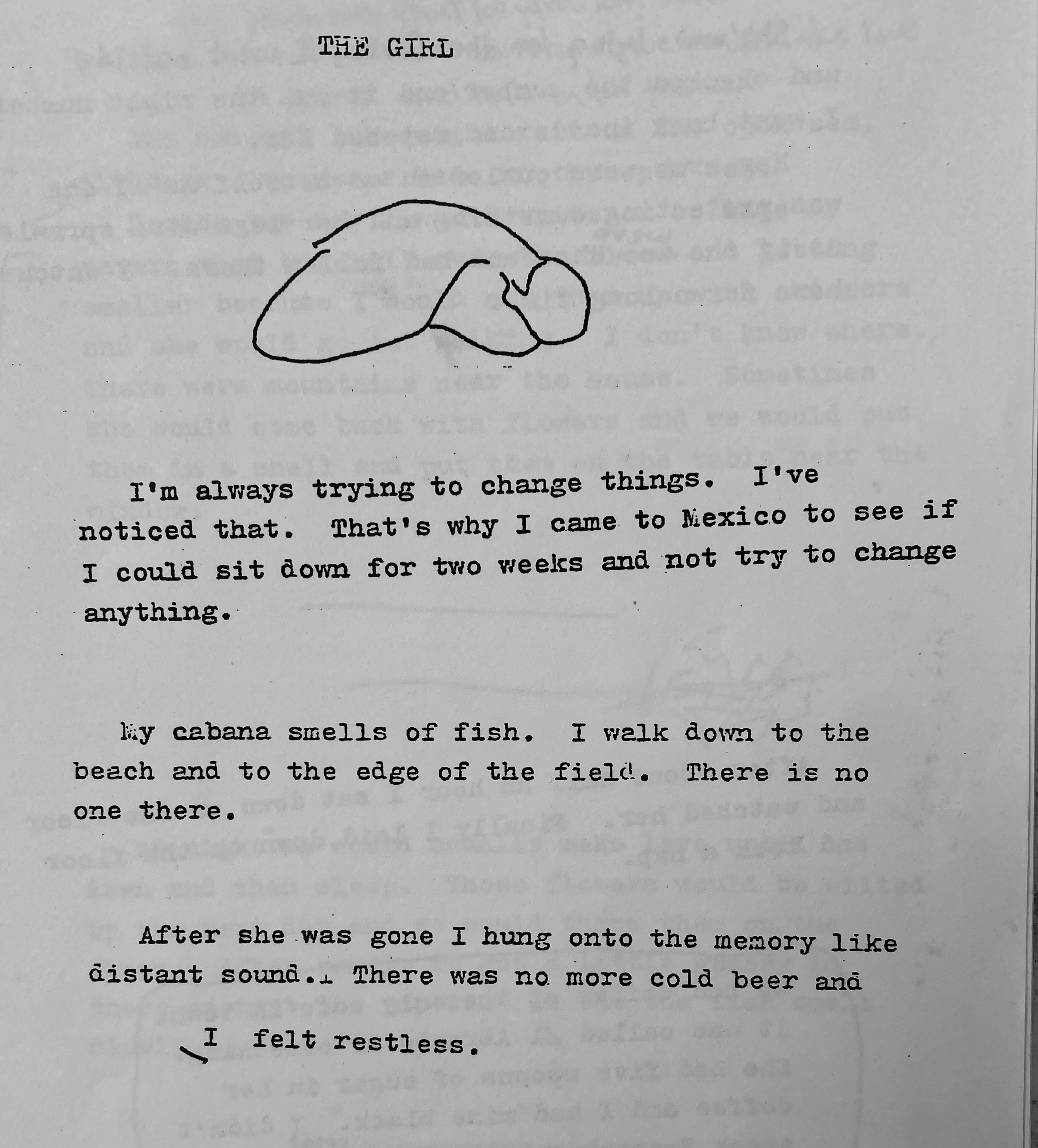
Later sometimes? Or sometimes later? Or whenever . . . written words have a time stamp. You wrote them at a certain point in your life and it shows. You can find traces of your emotional state, your sense of self and your level of contentment or discomfort in handwritten words. It’s there. It’s not in your keyboard. Unless your keyboard is a manual typewriter like I used for ‘Learning to Scribble’. Yes, each strike of the keys is unique and tells a story. Somewhere between the ancient practice of writing and the modern technology we have today that makes everything so convenient and sterile.
I guess in a way we are communing with our ancient ancestors when we make marks on paper. Although the first written words were gouges in wet clay - cuneiform, made by a sharp stick. This is what it looked like around 3,000 B.C. in southern Iraq. It’s recording the allocation of beer.
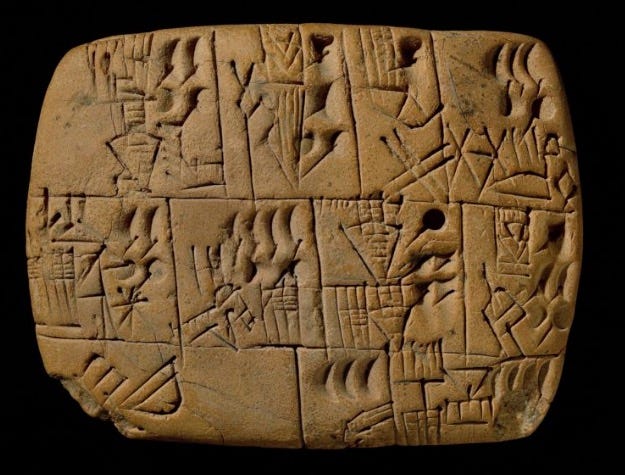
Yeah, beer making and wheat growing were kind of simultaneous innovations back in the day if you can believe the archaeologists and they needed some way to keep track of all that.
Here’s the earliest known form of writing, the Blombos Cave Stone. It’s atleast 70,000 years old. Humans made these marks, incised them on a shaped piece of stone about the size of a stick of butter. What it might mean no one knows.
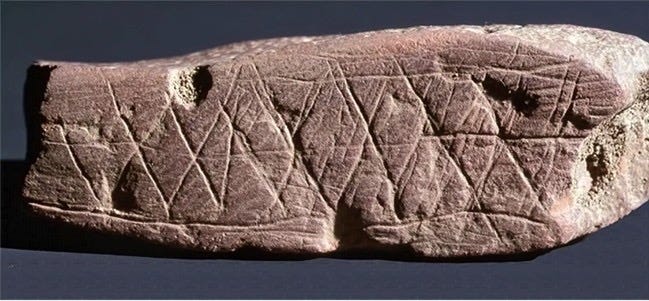
We’ve been scribbling for a long time is the point of our trip to the museum. It’s an ancient tradition.
Right now I’m editing this piece on my stupid tiny screen on my smart phone sitting outside Press cafe with the rolling thunder and boiling clouds overhead, it’s trying to rain. Very atmospheric. I love it. Trying to keep up with the muse tap tapping with one finger on this tiny screen. I could be in the Blombos cave 70,000 years ago carving into a piece of ochre, making marks of some sort for all to see. My phone is about the same size. My message is probly about the same. Chip chip, tap tap. Hey can you hear me out there? Hey listen to this.
If you would like to support my project, please become a paid subscriber
or make a one time donation. It would be deeply appreciated. Thank you.